What to Expect from Equine-Assisted Therapy
A warm, no-pressure guide to your first experience — what happens, what to wear, and how our mental health clinician supports you every step of the way.
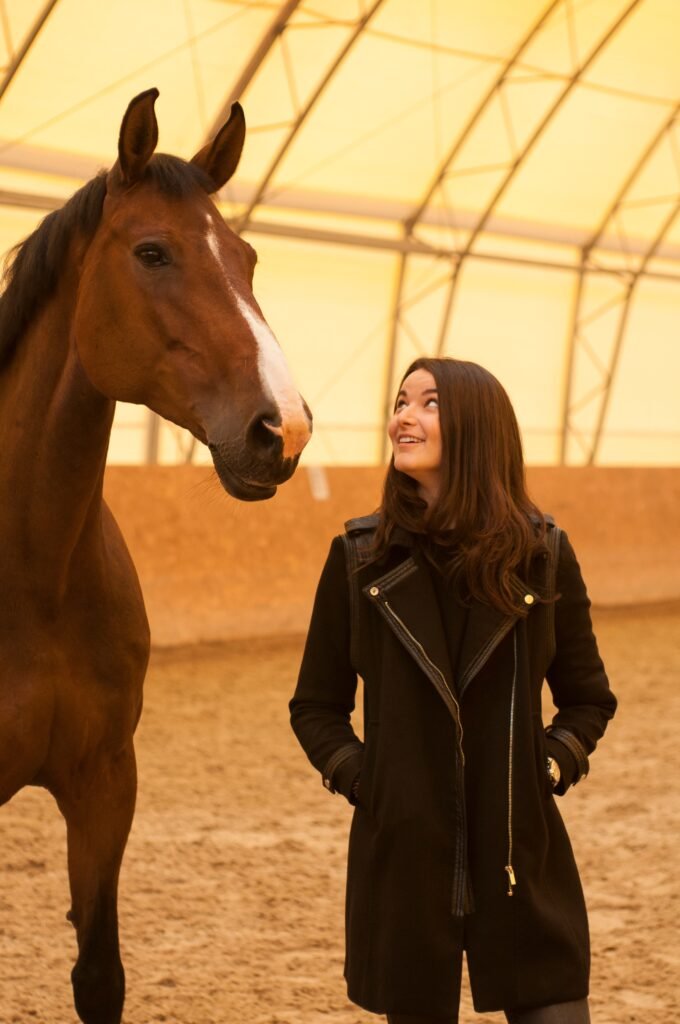
If you’ve found your way here, you’re probably wondering what equine-assisted therapy actually involves — and whether it’s right for you or someone you care about. That curiosity is exactly the right place to start. This guide walks you through what a typical experience looks like, so you can arrive feeling prepared rather than unsure.
The short version: you don’t need any experience with horses, you won’t be asked to do anything you’re not comfortable with, and the pace is always set by you.
What is equine-assisted therapy?
Equine-assisted therapy is an experiential approach to support and wellbeing that involves spending time with horses, guided by a qualified professional. Rather than sitting in an office, you’re outdoors, on the ground, alongside animals that respond honestly to what’s happening around them.
Horses are naturally attuned to body language and emotion. Because of this, many people find that working with them opens up a different way of noticing and understanding their own responses — things like confidence, calm, communication, boundaries, and trust. It can be a gentle, hands-on complement to other forms of support you may already be receiving.
It’s worth saying plainly: equine-assisted therapy is not a quick fix or a replacement for other care, and everyone’s experience is different. What it offers is a supportive, grounded space to work toward your own goals at your own pace.
Do I need any experience with horses?
No — and this is the question we hear most. You do not need to have ridden before, and in fact most equine-assisted work happens on the ground rather than in the saddle. Grooming, leading, observing, and simply being near the horses are all part of it.
If you feel nervous around large animals, that’s completely okay too. Building comfort and confidence is often part of the process, and nothing happens faster than you’re ready for.
What happens in a first session?
Every first session begins with a conversation. Before you meet any horses, your mental health clinician will sit down with you to understand what’s brought you here, what you’re hoping to work toward, and anything that might affect how you feel in the environment. There’s no script you need to follow — it’s simply a chance to get to know one another.
From there, a typical first experience might include:
A calm introduction to the horses from a safe distance, so you can get a feel for the space and the animals before anything else. A walk around the yard or paddock, learning a little about how horses communicate and what to look for. Some simple, guided ground-based activities — which may be as gentle as observing a horse or offering a brush — chosen to match how you’re feeling on the day. Time to pause, reflect, and talk through anything that came up, in your own words. Sessions are typically 50 minutes in length for individual sessions.
You’re always free to step back, take a break, or say “not today” to any part of it. Consent and comfort lead the way.
The role of your mental health clinician
Your sessions are facilitated by a mental health clinician — a professional trained to support people working through change, building capacity, and moving toward practical goals such as returning to work, study, or everyday participation. The horses are part of the process, but you’re never on your own with them. Your counsellor is there to guide the experience, keep it safe, and help connect what happens in the yard to the goals that matter to you outside it.
What to wear and bring
Comfort and safety come first. We’d suggest:
Closed-in, sturdy shoes or boots (no open toes or sandals). Long trousers or comfortable pants you don’t mind getting a little dusty. Layers suited to the weather, since you’ll be outdoors — a hat, sunscreen, and a water bottle are all good ideas. Any personal items you need to feel at ease, such as glasses, medication, or a support person if that helps.
You don’t need to bring any equipment. Everything to do with the horses is provided and explained on the day.
Is it safe?
Safety is built into every part of the session. It’s important to be upfront, though: horses are large animals with minds of their own, and any activity involving animals carries an inherent level of risk that can’t be removed entirely. What we can do is manage that risk carefully. You’ll receive a clear briefing before going near the horses; activities are matched to your comfort level, and your facilitator is present throughout. Horses are gentle animals when handled with knowledge and care, and part of the experience is learning to read and respect them – which is a skill that builds confidence in itself.
If you have specific health considerations, mobility needs, or worries, let us know when you book. We’ll talk them through beforehand so the session can be adapted to suit you.
Could this be right for me?
Equine-assisted therapy may be a good fit if you’re looking for a supportive, active, outdoors-based way to work toward goals around confidence, emotional wellbeing, communication, or participation – and if the idea of a calmer, less clinical setting appeals to you. It can sit alongside other supports as part of a broader plan.
The best way to know is to have a chat. There’s no obligation, and no question is too small.
How it works with the NDIS
For participants, equine-assisted therapy delivered by a mental health clinician may be able to be included as part of your plan, depending on your goals and funding. If you’re not sure, we’re happy to talk it through — or to speak with your support coordinator or plan manager — so you have a clear picture before committing to anything.
Taking the next step
If you’ve read this far, you already have the only thing you need to begin: curiosity. The next step is simply a conversation — a chance to ask questions, share what you’re hoping for, and decide together whether this feels right for you.
Ready to find out more? [Get in touch / Book a chat] and we’ll walk you through what’s possible. No pressure, no commitment — just a friendly place to start.
Stable & Grounded provides support delivered by a qualified mental health clinician. Equine-assisted therapy is one part of a person-centred approach however, individual experiences and outcomes vary.
